¶ Client Quick Start
This guide covers everything you need to get up and running with Polynom, from installation to joining your first server.
What we'll cover:
- Minimum requirements
- Downloading Polynom
- Setting up with the Polynom Wizard
- Joining a Polynom server
- Backing up your Identity
Not covered here (but available in the wiki):
- Importing and exporting Identities in detail
- Adding and editing Social Encryption™ keys
- How server permissions work from a user's perspective
¶ Minimum Requirements
Polynom's post-quantum cryptography requires a reasonably up-to-date operating system.
Supported platforms are Windows 10+, Linux (Debian 12+ or equivalent), macOS, Android 9+ and iOS.
Windows users: Some newer Windows systems have S Mode enabled by default, which blocks third-party app installs. If you see an S Mode error during installation, follow Microsoft's guide to switching out of S Mode before continuing.
¶ Downloading Polynom
Visit polynom.app and download the client for your operating system.
¶ Setting Up with the Polynom Wizard
Prefer to watch? See the video walkthrough.
On first launch, Polynom opens the Setup Wizard, which walks you through creating your Identity and connecting to a server.
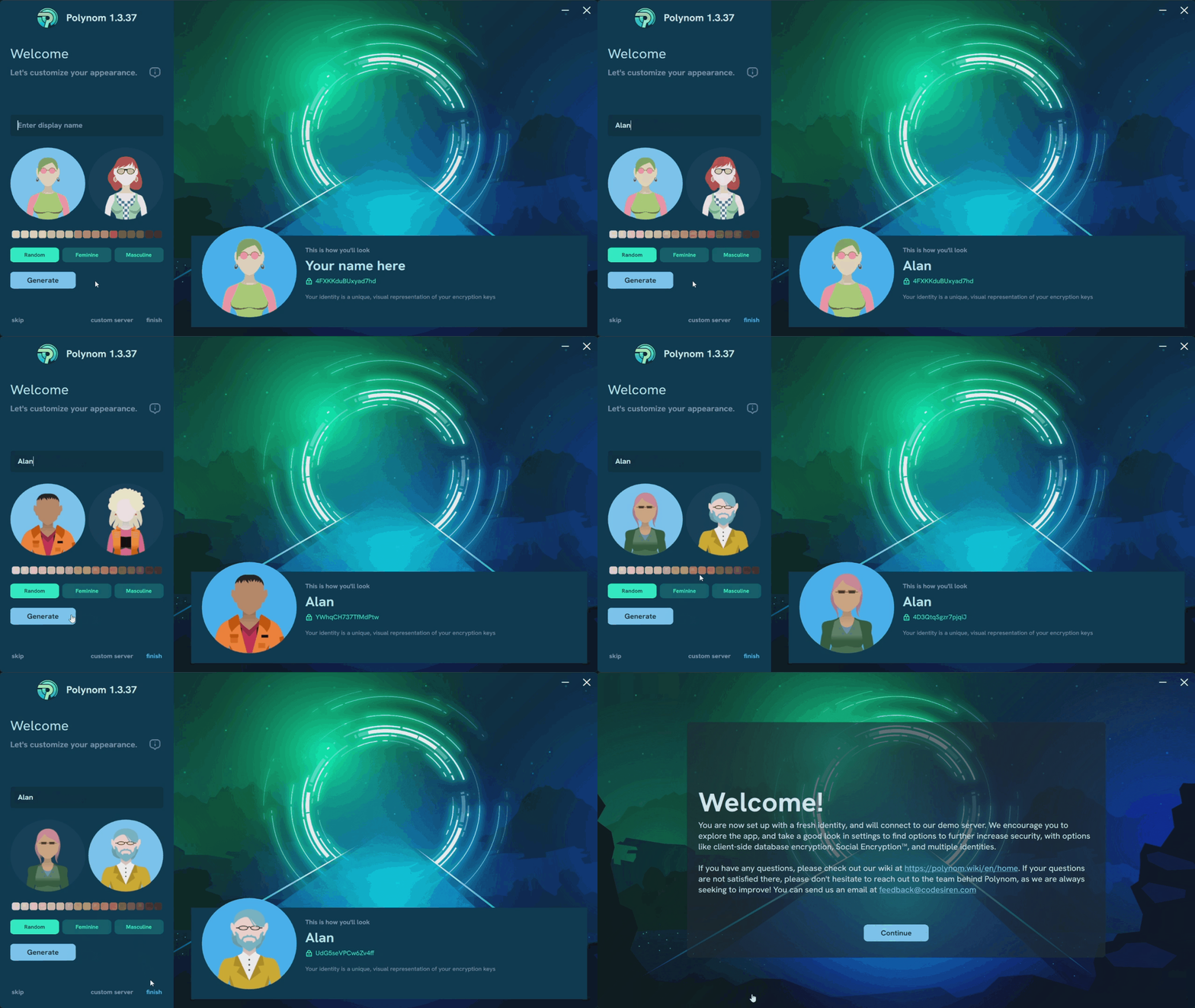
In the Wizard:
- Enter your username
- Use the Generate button to cycle through Graphatar options until you find one you like - take your time, there is no back button
- Choose how to finish the setup:
- Click Finish to automatically connect to the Polynom Demo Server and land on the server page, or
- Click Custom Server to enter the address and port of a private server instead
Once you click through the Welcome screen, you'll arrive at the server you selected. Click on any channel in the left panel to start exploring.
What's a Graphatar? It's Polynom's version of an avatar. A generated graphic that visually represents your Identity. Learn more on the Graphatars page.
¶ Joining a Private Server
The Demo Server (demo.polynom.app) is available for testing and orientation, but Polynom is designed to be self-hosted. Here's how to connect to a privately run server:
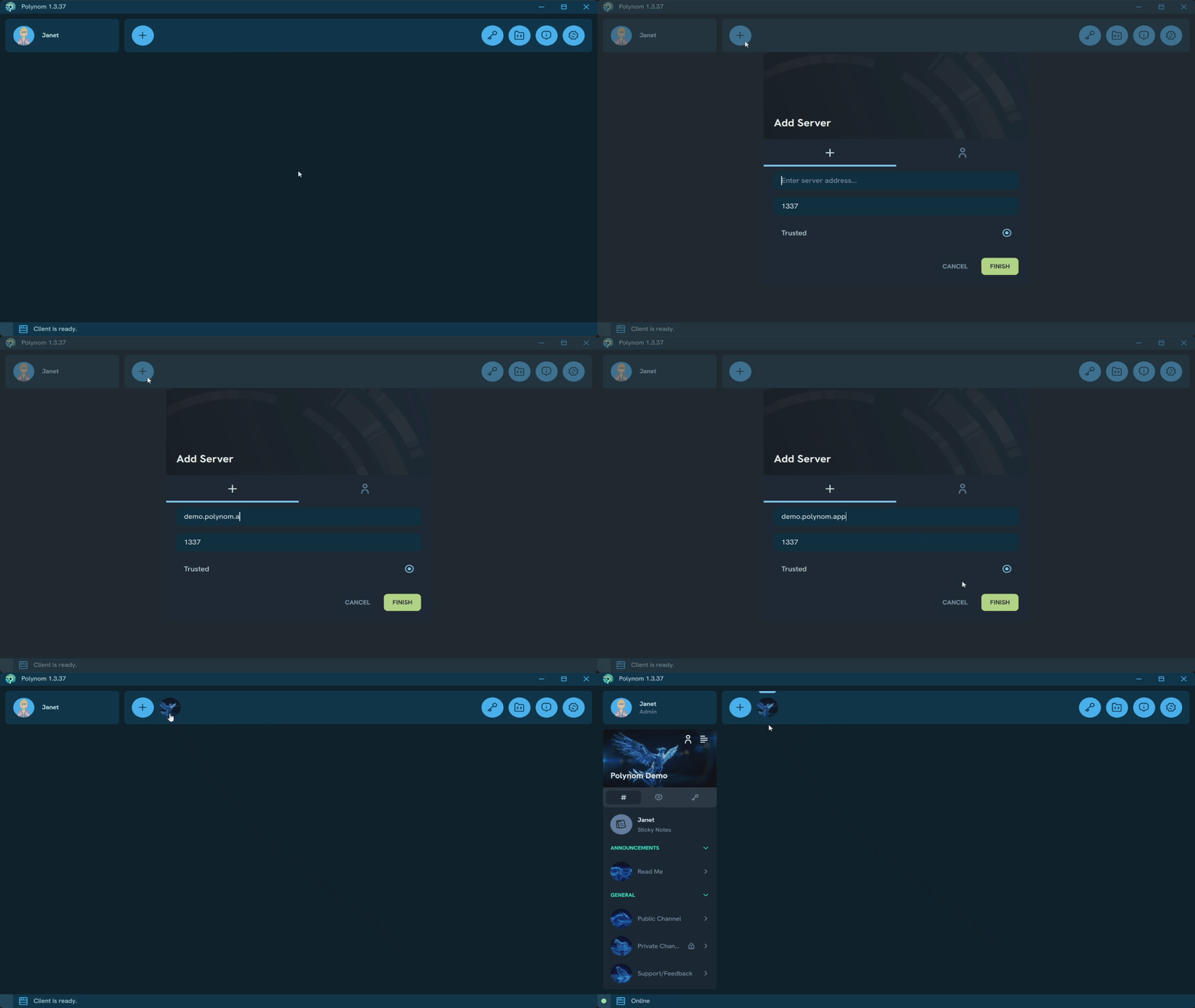
- Click the + button on the Toolbar
- Enter the server's URL and port number
- Click Finish - the server button will appear in your Toolbar
- Select it to view the server
¶ Backing up your Identity
Your Identity is your account - back it up before anything else. If you lose it without a backup, it cannot be recovered.
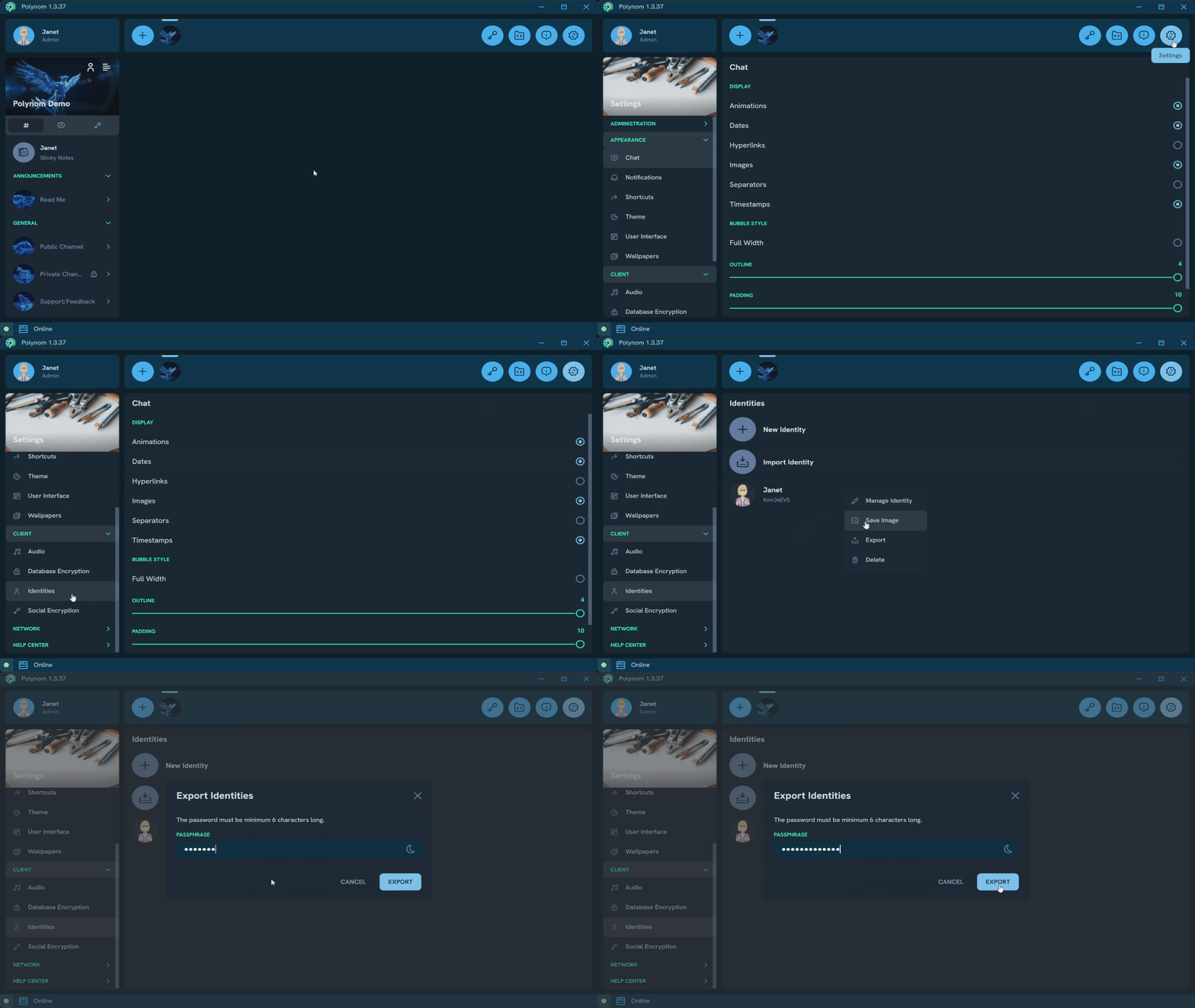
- Click the gear button in the Toolbar to open Settings
- Under Client, select Identities
- Right-click your Identity and choose Export
- Set a strong password and click Export
- Save the
{username}.nomfile somewhere safe. For more detail on importing and exporting Identities across devices, see Managing Your Identity. - You can also copy this file to another device and import it into Polynom
You're all set. For the next steps, explore the Using Polynom section of the wiki, or visit Frequently Asked Questions if you run into anything.